Healthy veins support proper blood circulation and help reduce the risk of discomfort, swelling, and other vascular concerns. Effective vein care may include regular physical activity and timely medical evaluation when symptoms develop. Here are some key tips for effective vein care:
Maintain Healthy Habits
Daily choices can influence vein care and how your veins function over time. Maintaining a stable weight reduces pressure on your lower legs, and staying hydrated supports healthy blood flow throughout the day. When you sit for long stretches, your leg muscles work less, so blood moves more slowly through the veins. Building a few simple routines gives your circulation a reliable foundation.
Diet also plays a supporting role. Foods high in fiber help you avoid straining, which can add pressure to the veins in your lower body. You may also cut back on excess salt, since too much sodium can lead to fluid retention and swelling.
Improve Circulation and Movement
Movement is a key part of vein care that keeps blood flowing and eases the load on your vein valves. You do not need intense workouts to benefit; gentle activity often works well for people managing leg discomfort. The goal is to activate your calf muscles, which act like a pump for the veins in your legs. Here are some helpful ways to keep blood moving during the day:
- Walk regularly. Frequent walks activate your calf muscles, and this motion helps push blood upward toward the heart.
- Elevate your legs. Raising your legs above heart level for a few minutes reduces pooling, and it can ease that heavy feeling after a long day.
- Stretch and flex often. Simple ankle circles and calf raises keep blood moving when you cannot leave your desk.
- Wear compression stockings. These apply gentle pressure that supports vein function; confirm the right fit with a professional.
- Change positions frequently. Alternating between sitting and standing prevents blood from settling in one spot for too long.
Recognize Signs of Problems
Knowing what to watch for helps you act before minor issues progress. Visible veins are one clue, but symptoms often extend beyond appearance. You may experience aching, throbbing, or a tired sensation in your legs, and these feelings often worsen after long periods of standing. Swelling around the ankles is another common sign, and it may come and go throughout the day.
Some people develop discoloration near the ankles, where the skin can darken or turn reddish-brown. In more advanced cases, open sores known as venous ulcers may form and heal slowly. When you detect these signs, tracking how often they appear gives useful information for a later evaluation.
Seek Professional Vein Care
Professional vein care begins with a clear assessment of what is happening beneath the skin. A specialist can identify the source of your symptoms and explain which options fit your situation. This step matters for both medical relief and cosmetic goals.
Understanding the Evaluation
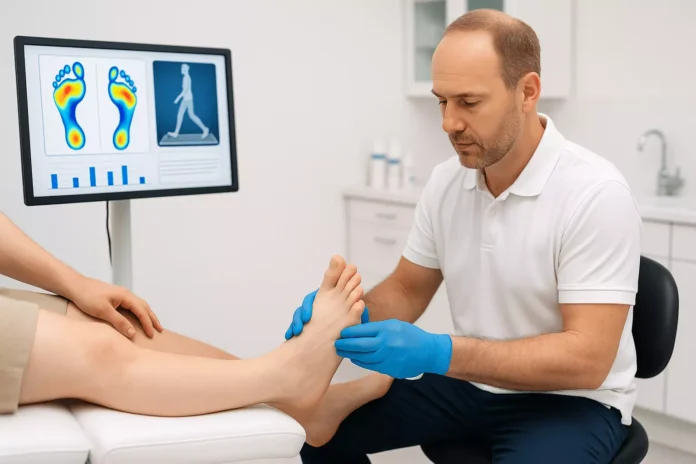
An evaluation usually begins with a review of your symptoms and health history. The specialist examines your legs, and they may use imaging to see how blood flows through your veins. This painless scan reveals which valves are working well and which are not.
Exploring Treatment Options
Treatment ranges from conservative measures to minimally invasive procedures. Your specialist may suggest compression therapy first and outline in-office options if symptoms continue. Some modern procedures target problem veins directly, and they often allow a quick return to daily activity.
Schedule Your Vein Care Consultation
Venous conditions can affect your health and quality of life, but effective strategies can address them. Treatment options are personalized to manage symptoms and target problem veins directly, including compression therapy and minimally invasive procedures. Contact a qualified vein specialist near you to schedule your vein care consultation today.