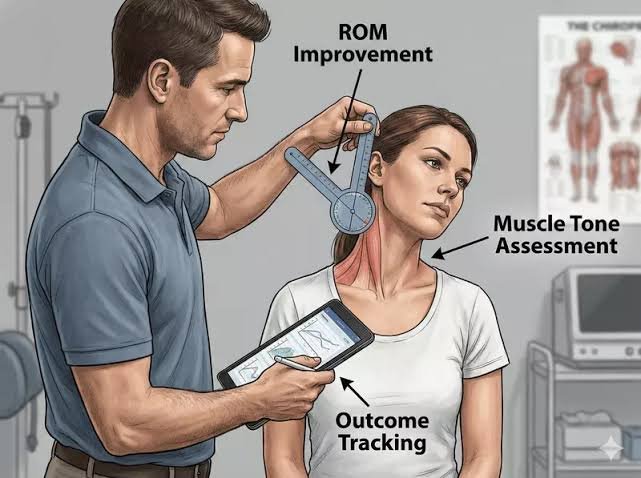
Pain management covers the methods you use to reduce discomfort and stay active, and it matters whether you deal with a minor injury or ongoing aches. Physical therapy adds a hands-on layer to these methods, and it targets the source of your pain through movement. When you understand how it works, you make clearer choices about your recovery. This is how physical therapy can help manage pain:
Stimulating Blood Flow
Movement pushes blood toward tissues that need repair. A pain management specialist uses targeted exercises to raise circulation, and better flow carries oxygen to sore areas. Since stagnant tissue heals slowly, gentle activity keeps the process moving. Several hands-on methods support circulation during a session:
- Massage that eases tight muscles
- Heat that loosens stiff areas
- Light stretching that opens restricted spots
Each method pairs with active movement for a fuller effect. Your therapist explains why each step fits your case, and you follow the routine at a comfortable pace. When circulation improves, swelling in the treated area often settles.
Building Strength
Weak muscles often leave your body less prepared to handle daily strain. A therapist maps out specific exercises for you, and these routines target the areas that support painful spots. Building strength around an injury takes patience, but the process follows a clear plan.
Your program shifts as you progress through each stage. Simple movements come first. As your body adapts over time, your therapist gradually adds resistance, and this steady increase keeps the work manageable. You track each step with your provider.
Strength work also supports the muscles that protect your spine and limbs. A therapist watches your form during sessions, and small corrections lower the risk of re-injury. When you practice these exercises at home, you reinforce the gains you make in the clinic.
Stabilizing Joints
Joints under stress often send pain signals through the body. Physical therapy targets the tissue around each joint, and it trains those areas to hold steady. Since unstable joints shift under load, a therapist teaches control before adding heavier movement. You start slow, and your therapist adjusts each drill to match your current ability. A few focused techniques support joint stability:
- Balance drills that challenge your footing
- Stretches that improve range
- Movements that retrain coordination
Reducing Need for Medications
Some patients lean on pills to mask ongoing pain. Physical therapy addresses the physical cause instead, and this focus may shift how much medication you rely on. Since movement targets the source, the effect builds slowly over weeks.
You talk with your provider before changing any prescription. A therapist coordinates with your care team, and this shared plan keeps your treatment consistent. Never adjust doses on your own.
Schedule Pain Management
Physical therapy fits into a wider plan that includes rest, activity, and medical guidance; it works alongside other tools, and each method plays a defined role. Since pain has many sources, a tailored program addresses your specific needs. You review the plan with a professional at each stage. Book a visit today to start a pain management conversation with a provider.