A herniated disc occurs when the soft inner material of a spinal disc pushes through its outer layer, potentially irritating nearby nerves. Age-related wear and injury can contribute to this condition, and treatment options vary depending on symptom severity. Here is a closer look at herniated disc causes and treatment options:
Common Causes and Risk Factors
Several factors can trigger a herniated disc, and knowing them helps you make informed choices. Age, activity, and body mechanics affect how spinal discs wear down. Here are some of the common contributors.
Age-Related Wear
Spinal discs lose water content over time, and this natural drying process reduces their flexibility. Discs that have less cushioning tear more easily, so even minor movements can cause a rupture. This gradual change, often called disc degeneration, affects some adults as they grow older.
Lifestyle and Physical Strain
Repetitive lifting, poor posture, and sudden twisting motions stress the lower back, increasing your risk. Excess body weight adds pressure to the spine, while a sedentary routine weakens the muscles that support it. Smoking also reduces oxygen flow to the discs, and this can accelerate their breakdown.
Key Symptoms and Diagnosis
Symptoms vary depending on where the herniation occurs, and they often follow the path of the affected nerve. People may feel sharp pain in the lower back or neck, and some notice tingling, numbness, or weakness that spreads into an arm or leg. A herniated disc in the lower spine commonly causes discomfort that radiates down one leg, a pattern often described as sciatica. Diagnosis begins with a physical exam, and your provider will review your symptoms and medical history. To confirm the source of pain, a clinician may order imaging tests such as an MRI or CT scan, which show the disc and surrounding nerves in detail.
Nonsurgical Treatment Options
People with a herniated disc may improve without surgery, and conservative care remains the first approach for some adults. These methods aim to reduce pain, restore mobility, and support natural healing over time. Your provider may recommend and combine the following options:
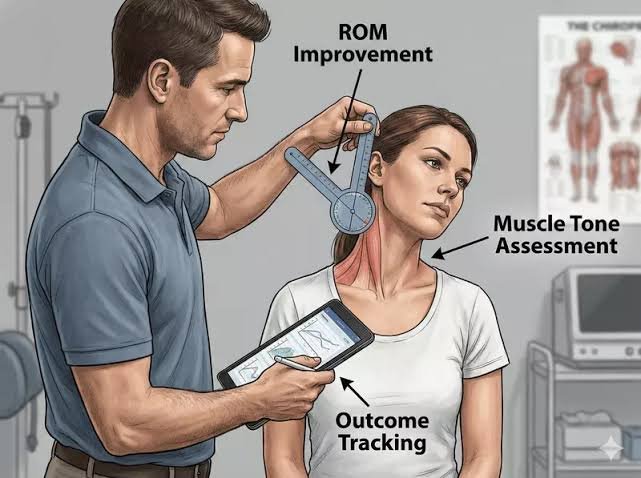
- Physical therapy: Targeted exercises strengthen the muscles that support your spine, and they can improve posture and flexibility.
- Medication: Over-the-counter or prescribed medicines may ease pain and reduce inflammation during recovery.
- Activity modification: Adjusting how you move, lift, and sit lowers strain on the affected disc, and short rest periods can help during flare-ups.
- Epidural steroid injections: A clinician delivers anti-inflammatory medicine near the affected nerve to reduce swelling and discomfort.
- Heat and cold therapy: Applying heat relaxes tight muscles, while cold packs help calm inflammation.
Surgical Treatment Options
Surgery becomes an option when nonsurgical care does not relieve symptoms after several weeks, and it may also be recommended when nerve compression causes significant weakness. A surgeon reviews your imaging and symptoms carefully, and together you review the potential benefits against the risks. Procedures often aim to remove or repair the portion of the disc pressing on a nerve. Recovery time varies by procedure, and your care team will guide you through each stage of healing.
Book Your Herniated Disc Consultation
Back pain caused by a herniated disc can be disruptive, but understanding your treatment options is key to finding relief. Solutions to address your specific needs include physical therapy, medication, and advanced procedures. Recovery depends on the approach you choose, and with proper guidance, individuals may achieve significant improvements in quality of life. Contact a qualified pain management specialist near you to book your herniated disc consultation today.