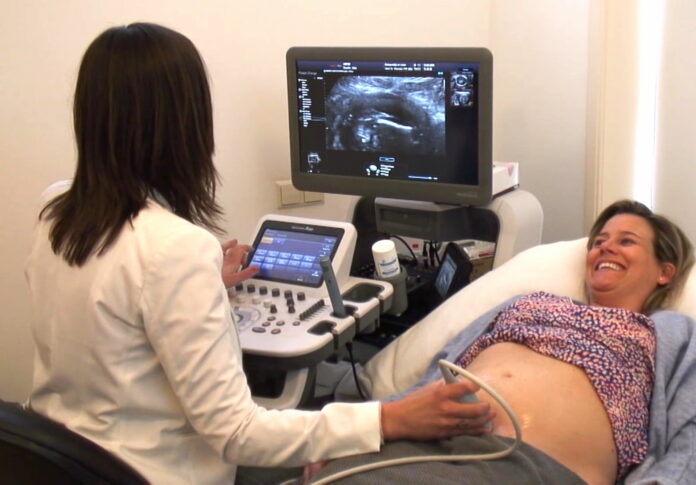
Regular check-ups with a family doctor allow for early detection of health issues and personalized preventive care. These visits create a continuous medical record, and physicians use this record to identify patterns in a patient’s health over time. When changes occur, doctors can respond before those changes become serious conditions. Understanding what these visits involve can help patients make informed decisions about their long-term health.
What Is a Family Doctor?
A family doctor is a primary care physician who treats patients of all ages, from children to seniors. Unlike specialists who focus on a single condition, family doctors provide comprehensive care across a wide range of health concerns. They may develop an in-depth understanding of a patient’s medical history over years of continuous care. Patients who see the same doctor repeatedly benefit from a physician who already understands their baseline health, family history, and lifestyle factors; this accumulated knowledge supports more informed clinical decisions.
What Services Do They Offer?
Family doctors provide a broad scope of services beyond treating illness. Their responsibilities typically include:
- Routine physical exams and health screenings
- Management of chronic conditions like diabetes, hypertension, and asthma
- Immunizations and preventive care counseling
- Referrals to specialists when advanced treatment is needed
These doctors may coordinate care among multiple specialists; this coordination keeps treatment plans aligned. When multiple specialists are involved, the family doctor serves as the central point of contact. Family doctors may also offer guidance on nutrition and lifestyle changes.
What Does a Check-up Involve?
A typical check-up begins with a review of the patient’s medical history, and the doctor will note any changes since the last visit. Vital signs are measured. These include blood pressure, heart rate, and weight, which provide a baseline for assessing the patient’s current condition. Depending on the patient’s age and risk factors, the visit may also include bloodwork, cholesterol screening, or other diagnostic tests.
Physicians use this information to better understand the patient’s health. They may also ask about sleep patterns, diet, and exercise habits. Since these factors influence long-term wellness, the physician evaluates them alongside clinical data to form a comprehensive evaluation. Toward the end of the appointment, the doctor discusses findings, and they outline next steps, whether that means scheduling additional tests or continuing current health habits.
How Are Regular Check-ups Beneficial?
Consistent check-ups allow doctors to catch potential health issues before symptoms appear. Conditions like high blood pressure, elevated cholesterol, and early-stage diabetes often develop without obvious warning signs, and some patients may remain unaware until the condition has progressed. Because these illnesses are often more manageable in their early stages, regular screening gives physicians the opportunity to intervene before treatment becomes more complex.
Routine visits also support better management of existing conditions, and a doctor who sees a patient regularly can track how a chronic illness responds to treatment over time. They adjust medications and lifestyle recommendations accordingly. Patients can also raise questions about changes in mood, energy, or sleep, which, when documented consistently, contribute to a detailed health record that supports more accurate, personalized care.
Schedule a Check-up Today
Family doctors provide more than treatment for illness; they offer continuous, personalized care that supports long-term health through prevention, monitoring, and early intervention. Regular check-ups build a medical history that helps physicians notice small changes before they become bigger problems. If you are due for a check-up, contact a family medicine office today.