Recovering from surgery often involves restoring strength, mobility, and the ability to perform everyday activities. Physical therapy, or physiotherapy, plays a fundamental role in post-surgical rehabilitation by helping patients manage pain and gradually regain physical function. Here is a closer look at the role of physical therapy in post-surgical rehabilitation:
Managing Post-Surgical Pain
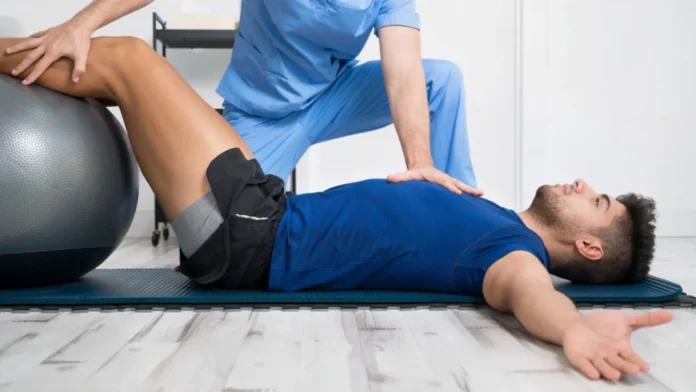
Physical therapy offers noninvasive methods to address discomfort after surgery. Therapists use techniques such as gentle movement, positioning, and manual therapy, while some settings apply heat, cold, or electrical stimulation to reduce discomfort. These methods aim to keep you moving safely without relying only on medication. A therapist may combine the following approaches during a session:
- Manual therapy: Hands-on techniques that work on soft tissue and joints to ease stiffness.
- Therapeutic exercise: Controlled movements that keep muscles active and joints mobile.
- Modalities: Heat, cold, or electrical stimulation that are applied to targeted areas.
- Education: Guidance on posture, movement, and activity pacing during recovery.
Restoring Strength and Mobility
Muscles weaken when they are unused, and a joint that stays still can become stiff. Physical therapy addresses both problems through progressive exercises that rebuild strength while restoring range of motion. Your therapist starts with gentle movements, and as you improve, the difficulty increases in measured steps.
Restoring mobility follows a logical sequence. Early sessions may focus on small, controlled motions, while later sessions add resistance and weight-bearing work. This gradual approach helps protect the surgical site as tissues heal. A therapist monitors your form, adjusts the load, and makes sure each exercise matches your current ability. Some therapists assign a home program to reinforce clinic sessions. Following that plan keeps your recovery on track between appointments.
Improving Balance and Coordination
Surgery and reduced activity can affect how well your body controls movement. Physical therapy includes balance and coordination training that helps you move with more control. This work helps older adults, athletes returning to sport, and anyone recovering from lower-limb procedures. Balance training often introduces controlled challenges in a safe setting. Standard balance and coordination exercises often include:
- Weight-shifting drills: Movements that teach your body to control its position.
- Single-leg activities: Tasks that build stability in the ankle, knee, and hip.
- Reaching tasks: Exercises that combine balance with coordinated movement.
- Surface changes: Practice on varied surfaces to sharpen control.
Supporting Functional Independence
Recovery is about healing tissue; it is also about returning to the activities that fill your day. Physiotherapy focuses on functional movements, such as walking, climbing stairs, lifting, and bending. Your therapist connects each exercise to a real task, keeping the plan practical.
A therapist may practice specific activities that match your lifestyle. An athlete may rehearse sport-related movements, while another patient focuses on getting in and out of a car. This tailored approach helps you rebuild the skills that matter most. Progress is measured against clear goals, and the plan evolves as you meet them.
Schedule Your Physical Therapy Appointment
Physiotherapy plays a central role in post-surgical rehabilitation. It addresses pain, rebuilds strength and mobility, improves balance, and restores daily function. The therapist intentionally measures progress and adjusts to support gradual improvement without overwhelming transitions. Contact a qualified orthopedic practice near you to schedule your physical therapy appointment today.