A physical exam, often called a physical, is one of the most common types of appointments a person can schedule with a care provider. Physicals give you and your provider a chance to review your general health, and they allow your doctor to keep track of your well-being over time. Whether you are booking a checkup after a change in how you feel or simply staying current with regular care, knowing what to expect can help you prepare.
What Are Physicals?
A physical exam is a general health assessment, and it is performed by a medical care provider. Unlike a visit prompted by a specific illness or injury, a physical focuses on your overall condition rather than a single complaint. The goal is to develop an understanding of how your body is functioning.
Physicals come in several forms. An annual or routine physical reviews your general health each year. Other versions are tailored to a particular purpose, such as a sports physical for athletic participation or a pre-employment physical. Each type shares a similar structure, but they may place extra attention on the areas most relevant to its purpose.
What Do They Involve?
A physical usually begins with a conversation. Your provider typically asks certain questions, which may be about your medical history, current medications, lifestyle habits, and any symptoms or concerns you have. This discussion helps guide the rest of the visit, and it gives you a chance to raise questions.
The provider typically records basic measurements after the review. These may include blood pressure, heart rate, and temperature. Such readings offer insight into your current status, and they can be tracked across future appointments. The hands-on portion of the exam may involve several checks, such as:
- Listening to the heart and lungs with a stethoscope
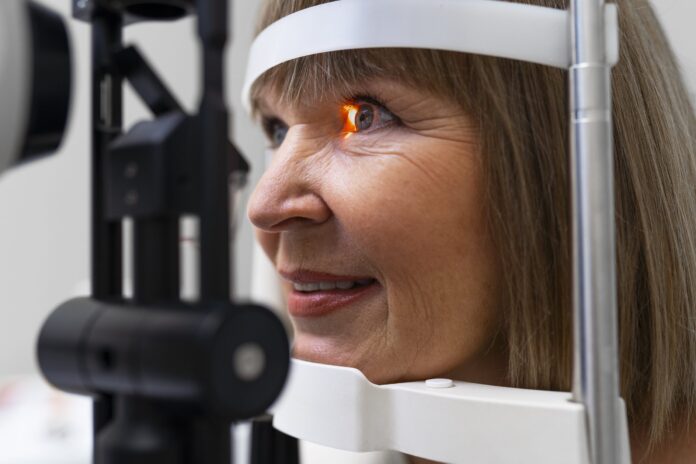
- Examining the eyes, ears, and throat
- Checking reflexes
- Feeling the abdomen and lymph nodes
Depending on your age, history, and the purpose of the visit, a provider may recommend certain screenings or laboratory tests. Blood or urine samples can offer added detail about how the body is working. The specific steps vary from person to person, and your provider may explain the reason for each part of the process. Most physicals are brief.
How Do They Impact Health?
Regular physicals support a proactive approach to health. By meeting with a provider on a consistent basis, you create opportunities to review how your body is changing. Physicals also help maintain an ongoing health record; when measurements and observations are documented over time, your provider gains useful context that a single visit cannot supply. This continuity may make future appointments more productive and personalized.
Meet With a Care Provider
Physicals combine a review of your history, a set of basic measurements, and a general examination into a single appointment. Understanding the structure of these visits can help you approach them with clarity; this helps you make the most of your visit. Booking an appointment allows you to begin or continue a steady record of your health, which keeps a trusted professional informed about your general well-being.