Poor circulation in legs restricts blood flow, which limits the delivery of oxygen and nutrients to tissue. This can cause pain, swelling, slow-healing wounds, and reduced mobility over time. If left unaddressed, it increases the risk of infection and long-term damage to skin and muscle; a wound care specialist can identify the underlying cause and recommend appropriate treatment. Here is more information on what poor circulation looks like, why it happens, and how it affects both leg health and daily movement:
What Is Poor Circulation in Legs?
Poor circulation in legs occurs when blood flow to the lower extremities becomes restricted or slowed. Arteries carry oxygen-rich blood to the legs, while veins return it to the heart. When either system is compromised, tissue in the legs and feet does not receive enough oxygen and nutrients. Symptoms can include numbness, tingling, cold skin, and muscle cramping. Because circulation issues affect both arterial and venous systems, the symptoms a patient experiences depend on which system is primarily affected.
What Causes It?
Several conditions contribute to poor circulation in the legs. Common causes include:
- Diabetes: Damages blood vessels and nerves over time, increasing the likelihood of circulation problems.
- Chronic venous insufficiency: Occurs when leg veins struggle to return blood to the heart, causing it to pool in the lower legs.
- Lifestyle factors: Smoking, prolonged sitting or standing, obesity, and a sedentary routine all impair healthy blood flow.
Identifying the specific cause is the first step toward determining an appropriate course of treatment.
How Is Leg Health Affected?
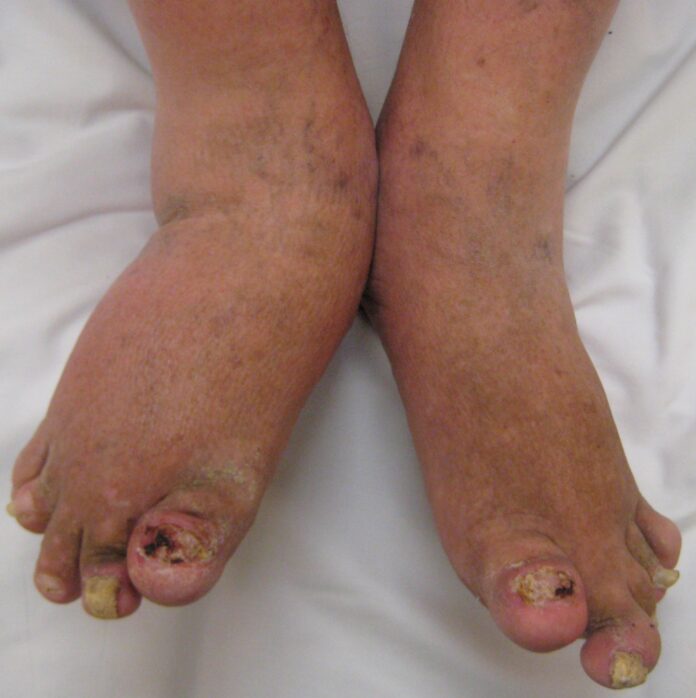
When blood flow to the legs decreases, skin and tissue health declines. Cells responsible for repair do not receive adequate oxygen and nutrients, which slows wound healing. Delayed healing increases infection risk, particularly in patients with diabetes or compromised immune systems, and the skin may become thin, discolored, or unusually dry. Hair loss on the lower legs indicates reduced arterial flow.
Ulcers represent one of the more serious outcomes of poor circulation. Venous ulcers typically form near the ankles, while arterial ulcers often appear on the toes or outer foot. Both types require medical attention because they rarely resolve without treatment that addresses the underlying circulation problem. When these wounds are left untreated, they can progress to deeper tissue damage or systemic infection.
How Does Mobility Change?
Reduced blood flow doesn’t just affect the skin; it also alters how the legs function during everyday movement. Patients may develop claudication. This condition causes cramping or pain in the calves during walking, which typically eases with rest. It often limits how far or how long a person can walk comfortably. Physical activity therefore decreases.
Muscle weakness can follow, since limited use combined with poor oxygen supply leads to gradual deconditioning. Balance and coordination may also decline; this is especially true in older adults, who already face a higher fall risk. Some patients unconsciously adjust their gait to avoid discomfort, which adds strain to the joints. This cycle of pain, inactivity, and weakness may become self-reinforcing over time.
Consult a Wound Care Specialist
Poor circulation affects leg health, from skin condition to muscle strength and daily mobility. Symptoms that seem minor at first, like cold feet or occasional cramping, can signal a deeper issue that needs professional attention. Left unmanaged, poor circulation raises the risk of chronic wounds, infection, and long-term mobility loss; a wound care specialist can evaluate the specific cause of reduced blood flow and design a treatment plan suited to the patient’s condition. If you experience poor circulation, schedule a consultation today.