Heart disease does not always cause obvious symptoms. When signs do appear, they may include chest discomfort or dizziness. Recognizing these changes can help you know when to seek medical attention. Here are the signs and symptoms of heart disease to watch for:
Recognizing Chest Discomfort
Chest discomfort is a recognized sign of heart disease. The feeling varies from person to person, and it does not always match what people expect. Some describe pressure or tightness, while others report an intermittent squeezing or burning sensation. The discomfort may also spread beyond the chest, so it helps to pay attention to how your body responds. Here are common ways chest discomfort presents:
- Pressure or tightness: A heavy or squeezing feeling that may last several minutes.
- Radiating pain: Discomfort that moves to the arms, neck, jaw, back, or shoulders.
- Activity-linked pain: Discomfort that starts with exertion and fades with rest.
- Burning sensation: A feeling sometimes mistaken for indigestion or heartburn.
Experiencing Breathing and Energy Changes
Shortness of breath is another symptom linked to heart disease. It often appears during exercise, but it can also occur at rest or while lying down. When breathing becomes harder than usual for your normal routine, that change requires attention.
Energy levels can change too, and fatigue sometimes signals that the heart is working harder than it should. You may feel worn out after tasks that once felt easy or notice a gradual drop in stamina. Sleep patterns matter as well. Some people wake up short of breath, while others struggle to lie flat comfortably. Discussing these patterns with a provider gives you a clear picture of your heart health.
Recognizing Other Possible Signs
Heart disease does not always present through chest pain. Several less obvious signs can appear, and recognizing them broadens your awareness. Swelling, irregular heartbeats, and lightheadedness all fall into this group. The following are signs that people sometimes overlook:
- Swelling in the legs, ankles, or feet: Fluid buildup may point to circulation issues.
- Irregular or racing heartbeat: A fluttering or pounding sensation in the chest.
- Dizziness or lightheadedness: Feeling faint, sometimes paired with nausea or cold sweats.
- Persistent cough: A cough that lingers, occasionally with white or pink mucus.
Knowing When To Get Help
Timing plays a large role in how symptoms are handled. Some signs require urgent attention, while others warrant a scheduled visit. When chest discomfort is severe, spreads to the arm or jaw, or comes with shortness of breath, sweating, or nausea, seek emergency care right away.
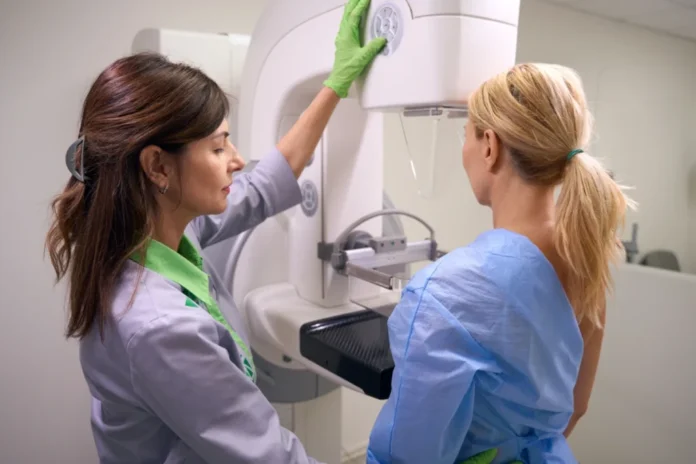
Other patterns still require review, even when they feel mild. If symptoms return, worsen, or interfere with daily life, contact your provider and describe what you notice. People with diabetes, high cholesterol, or a smoking history may want to schedule regular checkups; these visits include screening tests. Routine screening supports early detection, and it gives you baseline numbers to track over time.
Learn More About Heart Disease
Heart disease can present through chest discomfort, breathing changes, fatigue, swelling, and irregular heartbeats. Routine health screening plays a fundamental role in its early detection and management. Regular checkups help monitor key metrics like blood pressure and cholesterol, providing valuable data to guide your personalized care plan. Contact a qualified healthcare provider near you to schedule your appointment and learn more about heart disease today.