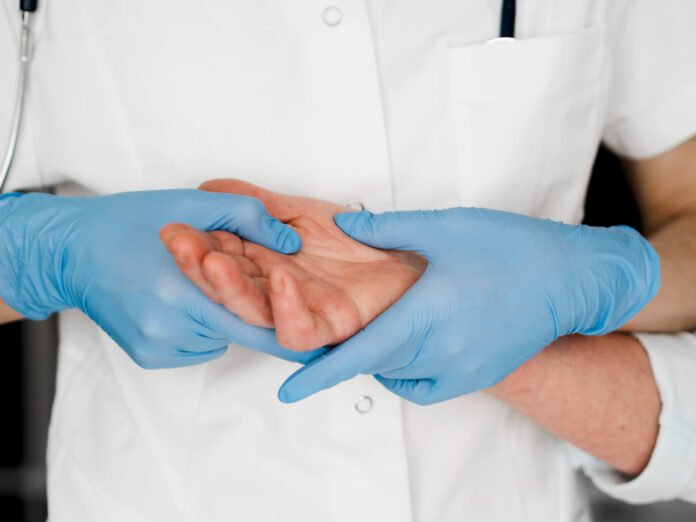
Sports medicine specialists diagnose and treat injuries and conditions related to exercise and sports. Some complete residency in family medicine, internal medicine, or pediatrics, and others train in orthopedic surgery. These physicians treat sprains, fractures, concussions, and overuse injuries in patients of all ages. Here is information on the connection between these specialists and team physicians:
Coordinating Care
After an athlete gets hurt, several professionals may take part in the recovery plan. The team physician tracks daily progress, and the sports medicine specialist manages advanced treatment. Athletic trainers and physical therapists also play a role in each step. Their shared tasks may include the following:
- Sharing imaging results and test reports
- Setting a timeline for rehabilitation
- Adjusting treatment based on the athlete’s response
- Planning a gradual return to practice
Working Closely Together
When a school or club hires a team physician, that doctor typically has sports medicine training. A team physician oversees the medical care of a specific team. The role includes game-day coverage, and it also covers injury follow-up during the week. Some team physicians address most cases alone, but many rely on a network of specialists.
The team physician usually sees an injured athlete first, and the specialist typically treats more complex cases. If an injury needs advanced imaging or surgery, the team physician may refer the athlete to a specialist. Regular communication keeps both doctors informed about the athlete’s status. They share notes, test results, and treatment updates through the medical record.
Many sports medicine specialists also serve as team physicians. This overlap happens because both roles require training in musculoskeletal care. A specialist may cover high school football on Fridays, and the same doctor may see clinic patients on weekdays. You may see the same physician on the sideline and in the exam room.
Clearing Athletes for Sports
High schools typically require a preparticipation physical exam, and many youth leagues have similar rules. This exam reviews heart health, joint stability, medical history, and past injuries. If the exam reveals a concern, the team physician may request a specialist’s opinion. A specialist can order an electrocardiogram, an MRI, or other tests before making a recommendation.
Return-to-play decisions follow a similar process after an injury. The specialist evaluates healing, and the team physician watches the athlete’s performance in practice. Most states require written medical clearance before an athlete with a concussion returns to play. Before signing off, both doctors can review the athlete’s symptoms and test results.
Meeting Program Requirements
Since each organization sets its own medical standards, team physicians follow specific guidelines. College athletic departments usually keep written policies for medical coverage. State high school associations publish their own rules, and professional leagues set separate standards. A specialist can help a program meet requirements like these:
- Preparticipation exams for every athlete
- Physician or athletic trainer coverage at games
- Concussion management plans
- Emergency action plan for each venue
- Return-to-play procedures
Find a Sports Medicine Specialist
Sports medicine specialists and team physicians share responsibility for athlete care, and they may work in the same settings. If you or your child plays a sport, a specialist can evaluate injuries and recommend treatment options. Contact an orthopedic clinic to schedule an appointment with a specialist. Bring any previous imaging, medical records, and a list of your symptoms to the first visit.