Knee pain affects people of all ages, and it can stem from a wide range of causes. While some cases resolve within days, others persist for months, and they can significantly disrupt daily activities. Understanding the condition and its treatment options helps patients make informed decisions about their care. Here is more information on knee pain, its common causes, and how pain management professionals approach treatment:
What Is Knee Pain?
Knee pain refers to discomfort that occurs in or around the knee joint, which is a complex structure composed of bones, cartilage, ligaments, and tendons. Any of these components can become damaged or inflamed. When this occurs, pain often follows, and symptoms range from mild aching to sharp, debilitating sensations that limit movement.
Pain is classified as either acute or chronic. Acute pain appears suddenly, usually after an injury or abrupt strain, while chronic pain lasts longer than three months and develops more gradually. Identifying the type gives providers a clearer starting point for treatment, since the underlying mechanisms and appropriate interventions differ between the two.
What Causes It?
Knee pain can have many origins, from sudden injuries to gradual degenerative conditions. Common causes include:
- Injuries, such as torn ligaments, meniscus tears, and fractures
- Degenerative conditions, including osteoarthritis and rheumatoid arthritis
- Tendinitis, bursitis, and infections
Identifying the true source of pain is the first step toward developing an effective treatment plan.
What Does Pain Management Involve?
Pain management combines several approaches to reduce discomfort and restore function, and providers select treatments based on the cause, severity, and duration of the patient’s pain. Most plans start with conservative options. When conservative options aren’t enough, providers move to more advanced procedures.
Physical therapy uses targeted exercises to strengthen the muscles around the knee. Stronger muscles support the joint, and this reduces strain on damaged structures. A therapist may also use techniques such as manual therapy and stretching to improve mobility, which helps patients regain a fuller range of motion over time. Knee injections deliver medication directly into the joint. Steroid injections help lower inflammation.
Radiofrequency ablation targets the nerves that transmit pain signals from the knee; a specialist uses heat generated by radio waves to interrupt these signals. The procedure suits patients whose pain has not responded to conservative treatments. It is a minimally invasive option, which facilitates a quick return to daily activities. Surgery becomes an option when other methods fail to provide adequate relief.
How Can a Professional Help?
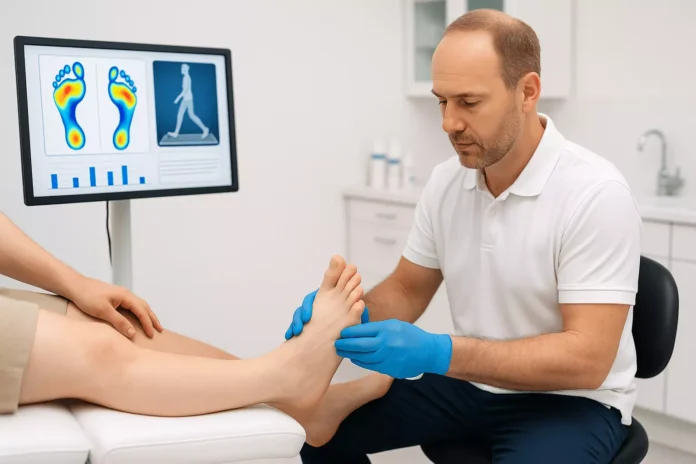
A pain management professional evaluates the patient’s condition through a detailed examination, which typically includes a physical exam, a medical history review, and imaging tests. These help pinpoint the exact source of the pain. Once the cause is identified, the professional designs a treatment plan tailored to the patient’s needs. They monitor progress closely, and they adjust the plan as the condition evolves, maximizing the likelihood of effective outcomes.
Learn More About Pain Management
Knee pain has many causes, from sudden injuries to long-term degenerative conditions. Treatment options include physical therapy, knee injections, radiofrequency ablation, and surgery, and each suits different situations. A pain management professional guides you toward the approach that fits your specific case. If knee pain limits your daily life, schedule a consultation with a qualified pain management specialist.