Blog

Managing Daily Life as a Child With Autism
Parents often notice early signs of autism or other developmental differences during everyday moments, from playtime to car trips. An autistic child may avoid...

Elbow Conditions Treated by an Orthopedic Surgeon
Elbow pain affects daily tasks like lifting, typing, or driving, and it often signals an underlying joint or nerve issue. You may avoid previously...
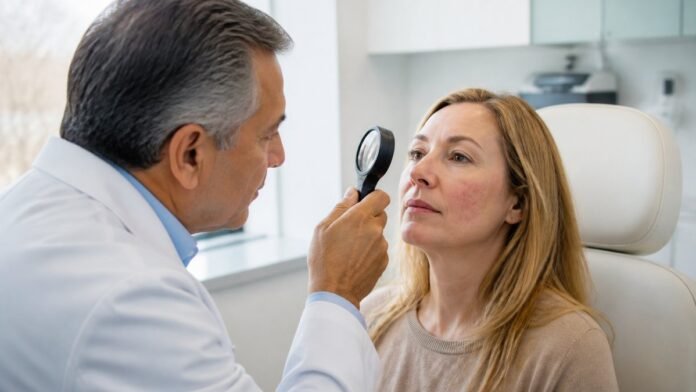
The Role of a Dermatologist in Managing Chronic Skin Conditions
Chronic skin conditions can disrupt daily routines, sleep, and long-term health. These conditions often last for years, and they fluctuate with triggers such as...

The Role of Hormone Replacement Therapy in Anti-Aging Treatments
Hormone replacement therapy (HRT) is a medical treatment that supplements hormones your body produces in smaller amounts as you age. Estrogen, progesterone, and testosterone...

Benefits of Advanced MRI Techniques in Accurate Diagnoses
Magnetic resonance imaging (MRI) uses magnets and radio waves to picture your body, and it shows soft tissues, organs, and bones in fine detail....
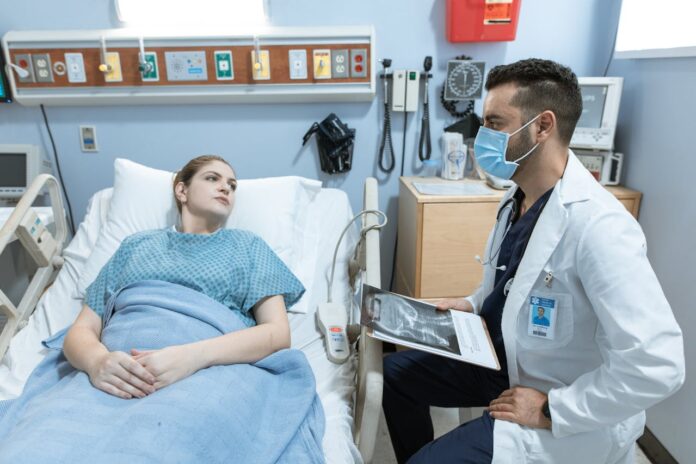
How Does a Pediatrician Help With Chronic Issues?
A pediatrician is a doctor who cares for children from birth through their teenage years. They treat everyday illnesses, and they also manage long-term...

The Role of Regular Urological Check-Ups for Men and Women
Urology concerns affect both men and women, including changes in urination, kidney, bladder, and reproductive health issues. Regular check-ups offer a chance to discuss...
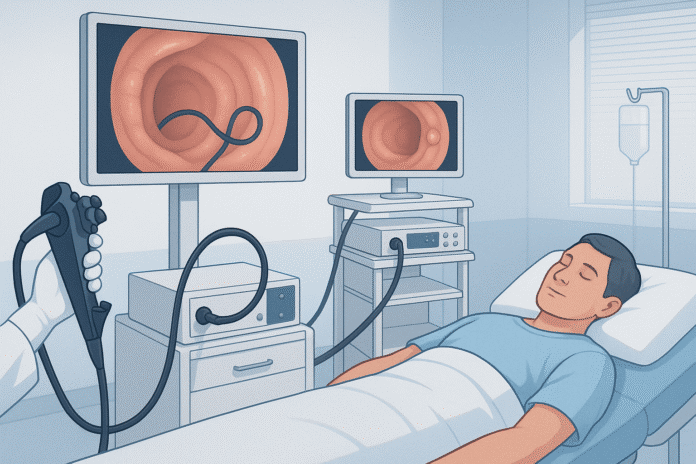
Understanding the Preparation Process for a Colonoscopy
Colonoscopy preparation begins before the procedure. Patients follow a liquid diet, and they may also use a laxative or adjust certain medications beforehand. Because...
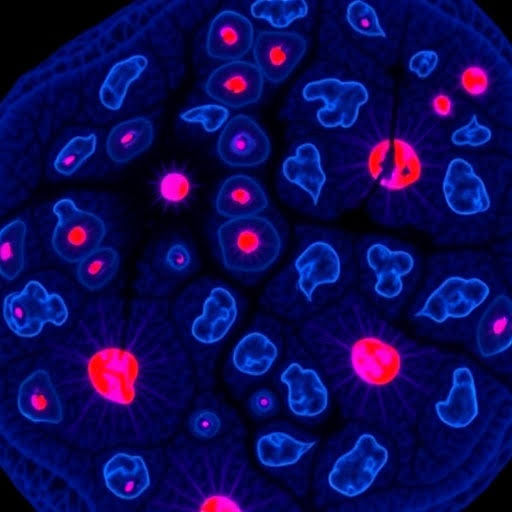
Exploring Advances in Immunotherapy for Oncology Patients
Immunotherapy is a cancer treatment that trains the immune system to recognize and attack cancer cells. Recent advances include monoclonal antibodies, checkpoint inhibitors, and...
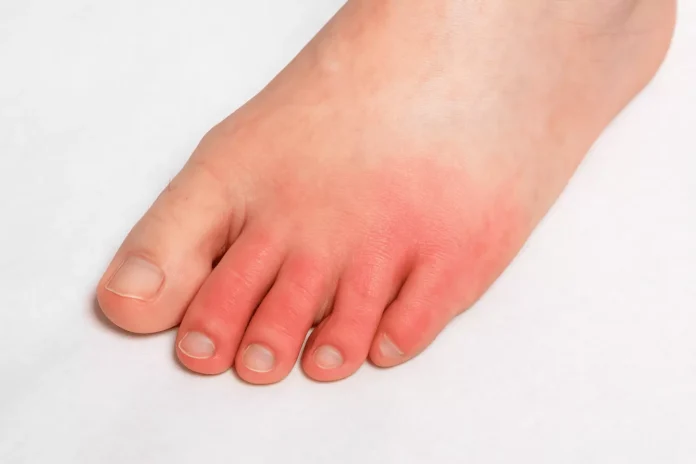
The Impact of Poor Circulation on Leg Health and Mobility
Poor circulation in legs restricts blood flow, which limits the delivery of oxygen and nutrients to tissue. This can cause pain, swelling, slow-healing wounds,...