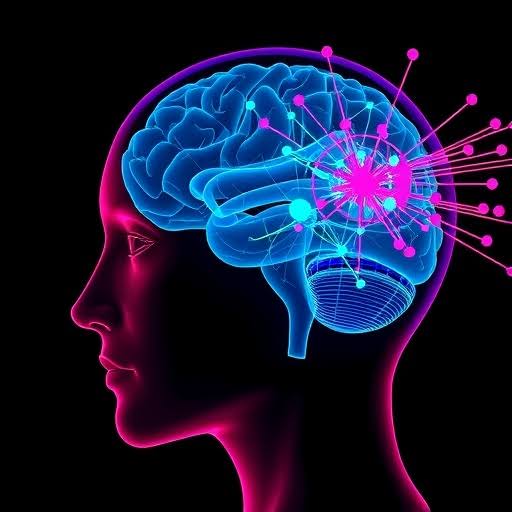
When an injury causes lasting damage, recovery can involve confronting pain that extends well beyond the initial event. This pain can significantly shape daily routines, therapy sessions, and long-term recovery goals for neurorehabilitation patients, and understanding its nature is key to effective care. Patients who recognize the underlying mechanisms of injury-related pain are better positioned to make informed decisions throughout recovery. Here is more information on pain management strategies that support healing:
What Are Different Injury Types?
Brain injuries, spinal cord injuries, and work-related injuries each present distinct pain patterns and recovery challenges. Traumatic brain injuries can result in headaches, sensory sensitivity, and nerve-related pain; these symptoms fluctuate as the brain heals. Because the brain regulates sensory processing, minor disruptions to neural pathways can produce pain that is difficult to predict. Spinal cord injuries cause both localized pain at the injury site and neuropathic pain that radiates through the limbs. Work-related injuries may cause chronic discomfort tied to specific movements or postures.
Each injury type requires its own pain management approach, since the underlying cause of pain differs across cases. A brain injury patient may need strategies focused on nerve regulation, while a spinal cord injury patient benefits more from mobility-based interventions. Clinicians who recognize these differences early in the recovery process are better positioned to design treatment plans that target the source of pain. Addressing root causes rather than symptoms may lead to more effective and lasting outcomes.
What Is Pain Management?
Pain management refers to the coordinated use of medical, physical, and psychological interventions to reduce pain and improve function. While it does not aim to eliminate all sensation, it seeks to bring pain to a level that allows patients to participate in daily activities and rehabilitation exercises. Effective pain management plans are built around the individual’s injury type, pain intensity, and personal recovery goals, and this helps keep treatment targeted and relevant.
A well-structured plan combines multiple approaches, and this layered strategy addresses both the physical and psychological components of pain. These components often interact and intensify one another, which makes a single-method approach insufficient for comprehensive care. Patients who understand how pain management works are better equipped to communicate with their care team.
What Are Effective Strategies?
Several approaches manage pain after injury, each targeting different aspects of recovery.
- Medication management: Prescribed medications help control pain intensity during active recovery phases.
- Physical therapy: Targeted exercises rebuild strength and flexibility while reducing pain caused by muscle weakness or joint stiffness.
- Botulinum toxin injections: These injections address muscle spasticity, a source of pain following brain and spinal cord injuries.
- Psychotherapy: Cognitive and behavioral approaches help patients manage the toll of chronic pain.
These strategies may work better when applied together rather than in isolation. When physical therapy is combined with psychotherapy, the body and mind recover in tandem.
How Is Professional Guidance Beneficial?
When patients work with a qualified rehabilitation team, they can receive a pain management plan that is tailored to their specific injury and stage of recovery. Professionals adjust treatment as recovery progresses. They modify medication dosages, therapy intensity, or injection schedules based on measurable outcomes; this ongoing oversight helps reduce the risk of complications such as improper exercise techniques. Patients also gain access to specialists across disciplines.
Seek Pain Management Today
Pain following an injury requires professional intervention; strategies like medication management, physical therapy, botulinum toxin injections, and psychotherapy each play a distinct role in reducing pain and restoring function. Combining these methods under professional guidance helps patients progress. If pain is affecting your daily life, reach out to a rehabilitation specialist.