Foot pain shows up in many forms, and the cause may be your choice in footwear. Your shoes shape how you stand, walk, and move each day. When a shoe fits poorly, it shifts pressure onto bones, joints, and nerves. Here is more information on footwear problems that lead to discomfort and how to find relief:
Narrow Toe Boxes
A tight toe box squeezes your toes together. Pointed shoes force the joints inward, and this pressure reshapes the foot over time. You might develop bunions, corns, or hammertoes from years of cramped space. Look for these signs that your toe box runs too narrow:
- Red marks across the tops of your toes
- Toes that overlap instead of lying flat
- Pain that eases the moment you remove the shoe
Wider shoes give your toes room to spread. When your toes sit naturally, your balance improves, and foot pain decreases. If you feel pinching at the front, measure your foot before your next purchase.
Improper Arch Support
Your arches absorb shock with every step. Flat insoles let the arch collapse, and this strains the tissue along your sole. When that tissue swells, you feel a sharp pain near your heel.
Shoes with weak support change how your weight spreads across your foot. Since the strain builds slowly, many people ignore it until walking hurts. You might notice aching after long hours, or it may occur on hard floors.
Firm arch support keeps your foot aligned. A supportive shoe holds the arch steady, and it lowers stress on nearby joints. If your current shoes bend easily in the middle, they likely lack enough structure.
Pinched Nerves
Tight footwear presses on the nerves between your toes. This pressure irritates the tissue, and it produces a burning or tingling feeling. For some people, the sensation feels like a pebble stuck under the ball of the foot.
A pinched nerve grows worse with repeated pressure. If numbness spreads through your toes, your shoes may sit too tight across the front. High heels shift weight forward, and this crowds the nerves even more.
Loose Shoes
In some cases, shoes that slip cause problems too. Your foot slides forward with each step, and the extra motion creates friction. That rubbing leads to blisters, calluses, and sore spots along your heel. Watch for these clues that your shoes fit too loose:
- Heels that lift out as you walk
- Blisters on the back of the foot
- Toes that jam against the front on downhills
A snug fit keeps your foot stable inside the shoe. Make sure the shoe holds firm, and your muscles work less to steady each stride. If you feel your foot shifting, lace tighter or size down.
In many cases, footwear affects nearly every part of your foot. Poor arch support strains the sole, and narrow toe boxes crowd the bones. Each problem starts with a fit that works against your body.
Get Treated for Foot Pain
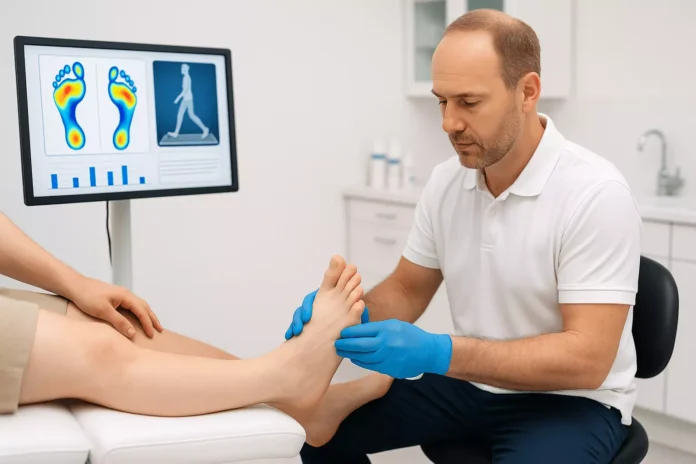
Small changes to your shoes often reduce pressure and ease pain. A trained specialist examines your feet, and they help you find footwear suited to your shape. If foot pain keeps interrupting your day, schedule an evaluation with a foot care provider. Bring your everyday shoes to the visit so the specialist can review your fit directly.