Regular eye examinations help detect vision changes, eye diseases, and other concerns that may affect your overall health. During an appointment, an eye doctor reviews your medical history and examines your eye health. Here is what to expect during your eye doctor appointment:
Eye Health Review
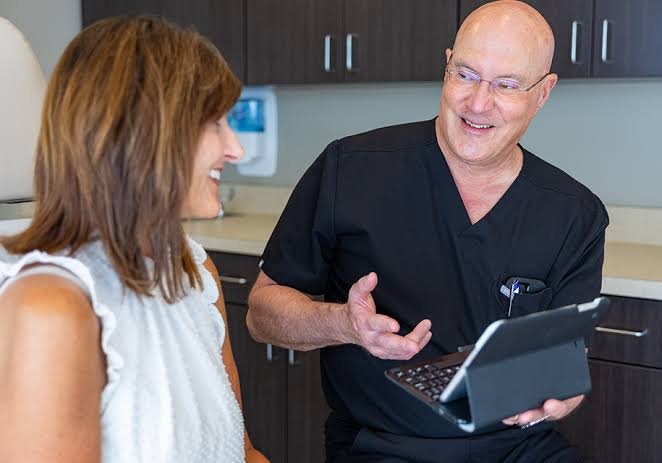
Your appointment usually starts with a review of your health history; this step gives your eye doctor a clear picture of your background. You will answer questions about past eye problems, current medications, and any symptoms you have noticed lately. The doctor will also ask about family history, which matters when certain conditions run in families.
This review covers more than your eyes alone. Conditions like diabetes or high blood pressure affect vision, so your eye doctor will note them when planning the exam. Describe symptoms such as blurry patches, headaches, or trouble seeing at night, and each detail guides the next steps. A thorough review sets the foundation for the checks that follow.
Vision Testing
Vision testing measures how clearly and comfortably you see at different distances. Your eye doctor uses a set of quick and painless tests, and each one targets a specific part of your sight. These results reveal whether you need glasses, a new prescription, or further checks. Here are some common tests you can expect:
- Visual acuity test: You read letters on a chart from a set distance to show how sharp your central vision is.
- Refraction assessment: You look through different lenses while the doctor asks which looks clearer to pinpoint the right prescription strength.
- Color vision test: You identify numbers or patterns hidden in colored dots, and this checks how well you distinguish colors.
- Peripheral vision test: You focus straight ahead while noting objects at the edges, so the doctor can map your side vision.
- Depth perception test: You view images that gauge how your eyes work together to judge distance.
Eye Examination
After vision testing, your eye doctor examines the physical structures of your eyes. This part looks at both the surface and inner tissues and often uses special lights and lenses. The checks are quick, but some may involve eye drops that widen your pupils.
Front of the Eye
The doctor first studies the front structures, including the cornea, iris, and lens. A slit lamp shines a narrow beam of light, and this magnified view helps detect irritation, cloudiness, or early changes. You rest your chin on a support while the doctor looks through the device, so the process stays steady and comfortable.
Back of the Eye
The doctor examines the retina and optic nerve at the back of the eye next. Dilating drops may widen your pupils, giving a comprehensive view of the inner tissues. The doctor uses a bright light and lens to inspect blood vessels and nerve health, which helps people manage chronic conditions. Your vision may stay blurry for a short while after the drops, so bring sunglasses if you can.
Results and Treatment Discussion
Once the checks finish, your eye doctor explains what the results mean in plain terms. You will learn whether your vision is stable, you need corrective lenses, or any findings require follow-up. The doctor answers your questions, and this conversation helps you understand your options clearly. Ask about anything that is unclear, because a shared understanding leads to better decisions.
Treatment plans vary based on what the exam reveals. You may receive a new glasses prescription, a referral to a specialist, or a schedule for future visits. For those with ongoing conditions, the doctor may suggest a monitoring routine to track changes over time.
Consult an Eye Doctor Today
Regular eye exams are fundamental in detecting vision problems early and preventing future complications. Understanding the steps involved, including medical history and vision tests, can help you be more prepared for your next visit. Contact a qualified eye doctor near you to schedule your consultation today.