Chronic pain lasts three months or longer. It can affect your sleep, work, and daily movement. Pain managment may not remove pain completely, but it helps lower its impact on your routine. When you understand your options, you can work closely with your provider.
Start Managing Pain Daily
Rest for pain managment gives irritated tissue time to recover. Short periods of rest may ease a flare-up, but too much inactivity weakens muscles. If you rest too long, your joints may stiffen, and movement becomes harder over time. Balance rest with light activity throughout the day. Gentle stretching or short walks can break up long periods of sitting. Pacing is a practical tool for managing energy and pain. It means spreading tasks across the day instead of doing everything at once. Pacing yourself helps avoid overexertion and lowers the risk of a flare-up. Start by identifying your most demanding tasks, and schedule them during your highest-energy hours. Break larger tasks into smaller steps, and take short breaks between them. Even five minutes of seated rest can help your body reset. Learning your personal limits takes time. Some days will allow more activity, and others will require more rest.
Explore Physical Pain Strategies
Common physical approaches include:
- Exercise: Low-impact activities such as walking, swimming, and cycling place less stress on joints; consistency matters more than intensity.
- Strength training: Building muscle around a painful joint reduces load on that joint and improves stability over time.
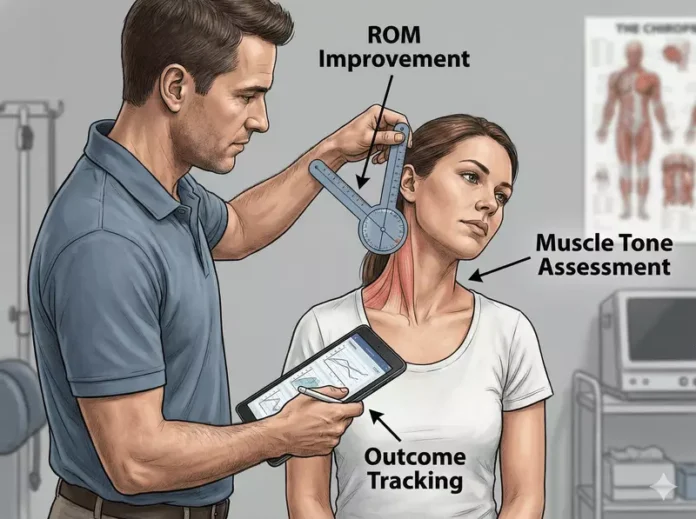
- Physical therapy: A licensed therapist evaluates your movement and designs a targeted exercise plan, which may include manual therapy, stretching, and heat or cold treatments.
- Acupuncture: Thin needles are placed at specific body points to support pain relief; sessions typically last thirty to sixty minutes.
- Chiropractic care: Focuses on spinal and musculoskeletal alignment through manual adjustments and may include soft tissue techniques or guided stretching.
Start any new exercise slowly, and increase activity in small steps. Even ten- to fifteen-minute sessions are useful when starting out. Following a home exercise program is one of the best ways to maintain progress between therapy sessions. Acupuncture and chiropractic care work best as part of a broader pain management plan, not as replacements for medical care. Results vary, so ask your provider if these methods suit your condition and medical history. If you have osteoporosis, certain spinal conditions, or take blood thinners, some techniques will not be right for you.
Discuss Medical Treatment Options
Ibuprofen and naproxen sodium are available over the counter, and Celebrex requires a prescription. While NSAIDs can reduce swelling and pain, long-term use may hurt the stomach and strain the kidneys. Follow dosing directions closely. Talk to your doctor before combining NSAIDs with other medications. They are most useful for arthritis, back pain, and joint inflammation. Not all NSAIDs work equally well for every person.
Your provider may suggest trying more than one before settling on the right fit. One NSAID may cause side effects, and another will be better tolerated. Taking NSAIDs with food can reduce stomach irritation. Some providers also recommend a stomach-protecting medication if you use NSAIDs long term. If you have kidney or heart disease, or a history of stomach ulcers, NSAIDs may not be right for you.
Schedule Pain Managment Today
Pain management involves ongoing teamwork with your provider. Bring a list of your symptoms, and include your current medications. When you share clear details, your provider can adjust your plan. Note any treatments you have already tried. Schedule an appointment to review your pain management plan.
- Understanding the Importance of Regular STD Testing for Sexual Health
- Understanding the Role of Pain Management in Chronic Conditions
- How ENT Specialists Diagnose and Treat Ear Infections
- How To Choose the Right Pediatrician for Your Child
- Understanding How Regular Eye Exams Help Improve Long-term Vision Health