Upper cervical alignment focuses on the top two bones in your neck; the first bone is called the atlas, and the second is called the axis. Since these bones support your head, small shifts in position may affect nearby muscles and nerves. Here are several possible benefits of upper cervical care for overall health:
Reduced Migraines
While migraines have many triggers, some research links them to tension in the upper neck. The upper cervical spine sits near nerves and blood vessels, and misalignment may irritate these structures. Some patients track their headaches before and after starting care. A simple headache log includes the following details:
- Date and time each headache starts
- Pain level on a scale of one to 10
- Triggers, such as sleep, stress, or food
- Duration and any medications taken
Bring this log to each appointment, and share any changes with your practitioner. Upper cervical alignment may relieve migraines for some people. Patterns become easier to spot when you record details over several weeks.
Alleviated Neck Pain
When the atlas or axis shifts, surrounding muscles may tighten to stabilize the head. This tension leads to stiffness and soreness in the neck. Some people have limited motion when turning their heads, and others feel aching at the skull base. Headaches may also start in this tight tissue.
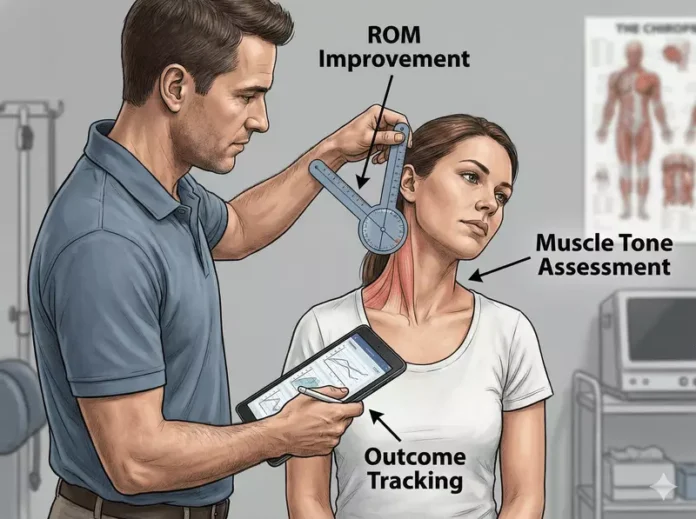
Upper cervical practitioners use precise measurements, and they take X-rays before any adjustment. These images show the exact angle of misalignment so that the practitioner plans a targeted correction. For comfort, adjustments in this approach are typically gentle and low-force.
Results vary from person to person. Some patients may have less neck pain after a few visits, but others need a longer care plan. If your pain persists or worsens, talk with your practitioner or primary care provider.
Optimized Nervous System
The brainstem connects your brain to your spinal cord at the top of the neck. Since the atlas surrounds this area, its position may influence nerve signals traveling between brain and body. These signals manage movement, balance, and organ function, and they travel constantly throughout the day. Pressure in this area may disrupt that communication.
When upper cervical bones align properly, some patients report better balance and sleep quality. It is complex, so ask your practitioner about current evidence. A clear conversation helps you set realistic expectations.
Aligned Neck Bones
Daily habits affect how well your neck holds an adjustment, and posture plays a signficant role. Looking down at a phone strains the upper spine for hours each day. Sleep position also matters. If you want to support your alignment between visits, try these habits:
- Hold your phone at eye level instead of looking down
- Use a pillow that keeps your neck level with your spine
- Take short breaks from desk work every 30 to 60 minutes
- Avoid sleeping on your stomach
Book Upper Cervical Alignment
If neck pain, headaches, or stiffness affect your daily life, an upper cervical evaluation may offer answers. A first visit typically includes a health history, a physical exam, and imaging. Your practitioner reviews the findings with you, and you then choose your next step. Contact a spine specialist to schedule your upper cervical evaluation.
- Key Pregnancy Care Tips for First-Time Mothers
- The Benefits of Upper Cervical Alignment in Overall Health
- The Role of a Neck Pain Doctor in Managing Cervical Discomfort
- Understanding the Importance of Regular STD Testing for Sexual Health
- Understanding the Role of Pain Management in Chronic Conditions